About Ecocentric
Sharabati Denim’s vision of being a sustainable, eco-friendly and beneficial family owned business has spread to every inch of our operation, including the philosophy behind each collection.


Sharabati Denim’s vision of being a sustainable, eco-friendly and beneficial family owned business has spread to every inch of our operation, including the philosophy behind each collection.
At Sharabati Denim we strive to incorporate sustainable and natural fibers in our fabric productions.
Organic cotton, in comparison with conventional cotton has many benefits for the biosphere. It has an ability to grow with minimal water and fertilizers and has no contaminating effect on groundwater and land. Sharabati Denim’s fabrics are composed of at least 95% organic fibers.
Cotton consumption is responsible for as much as 2.6% of global water use. Integrating natural fibers into our collection as an alternative, lowers carbon footprint. The natural fibers we integrate consist of lyocell-tencel, modal, linen and hemp.
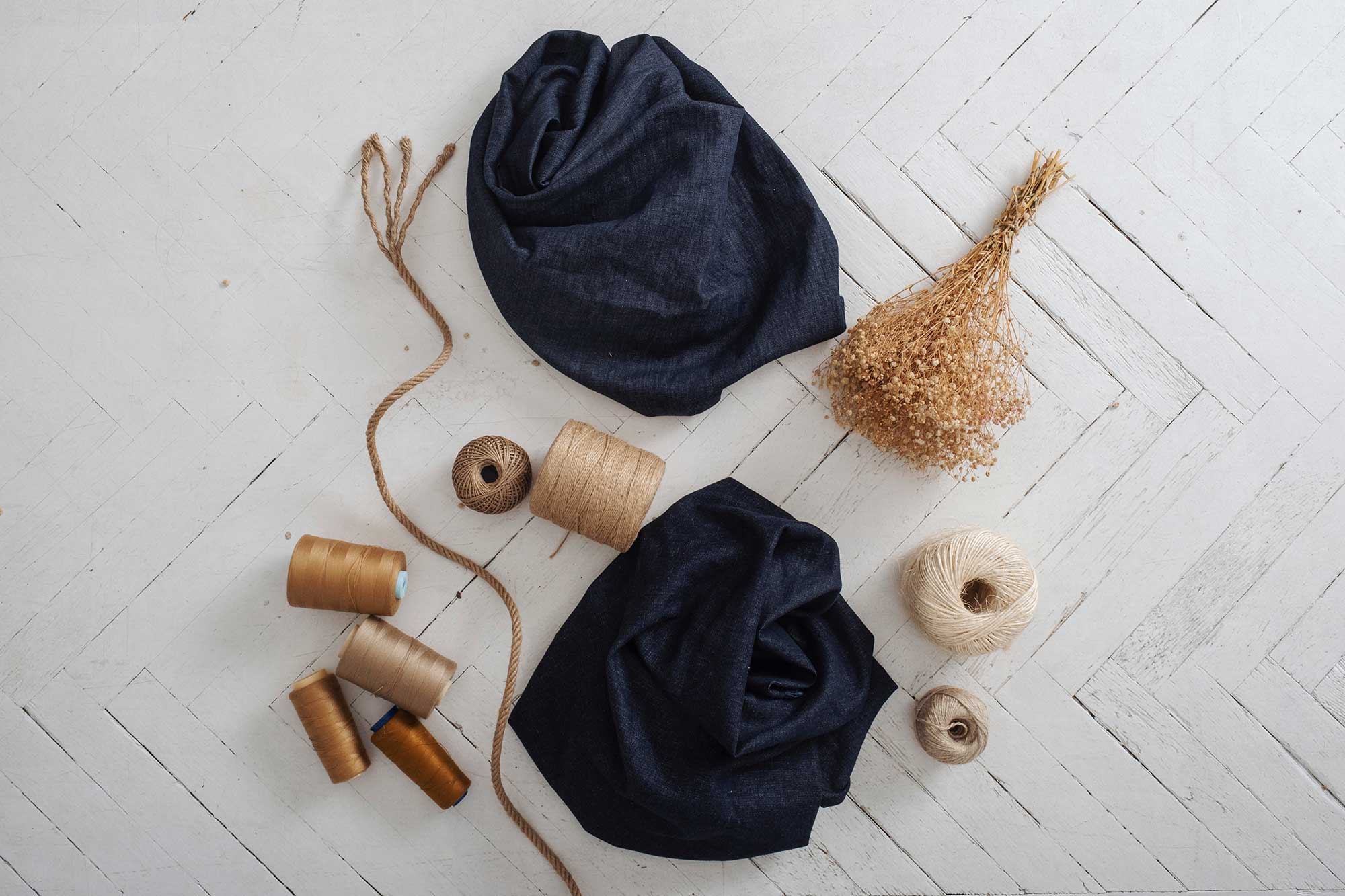
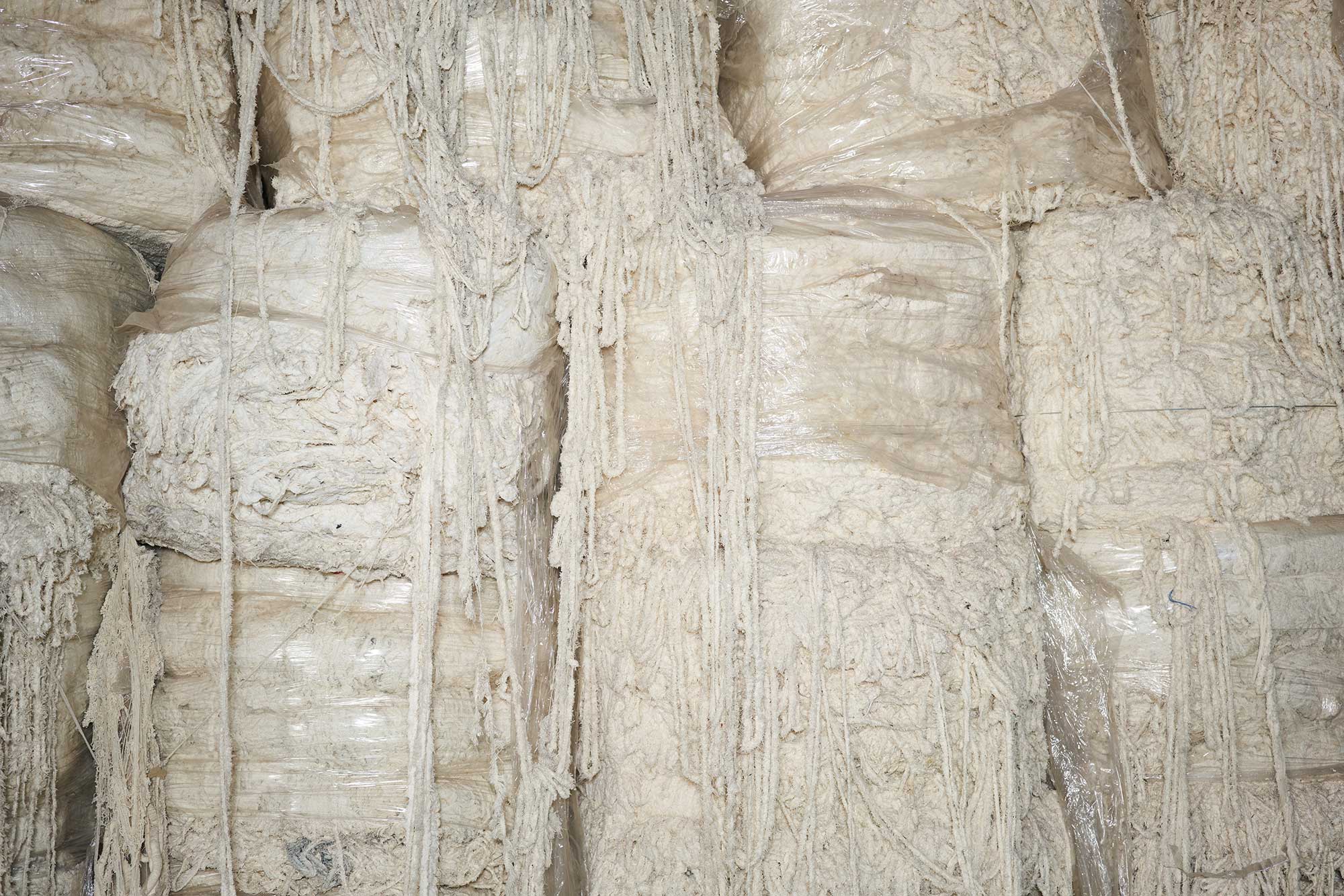
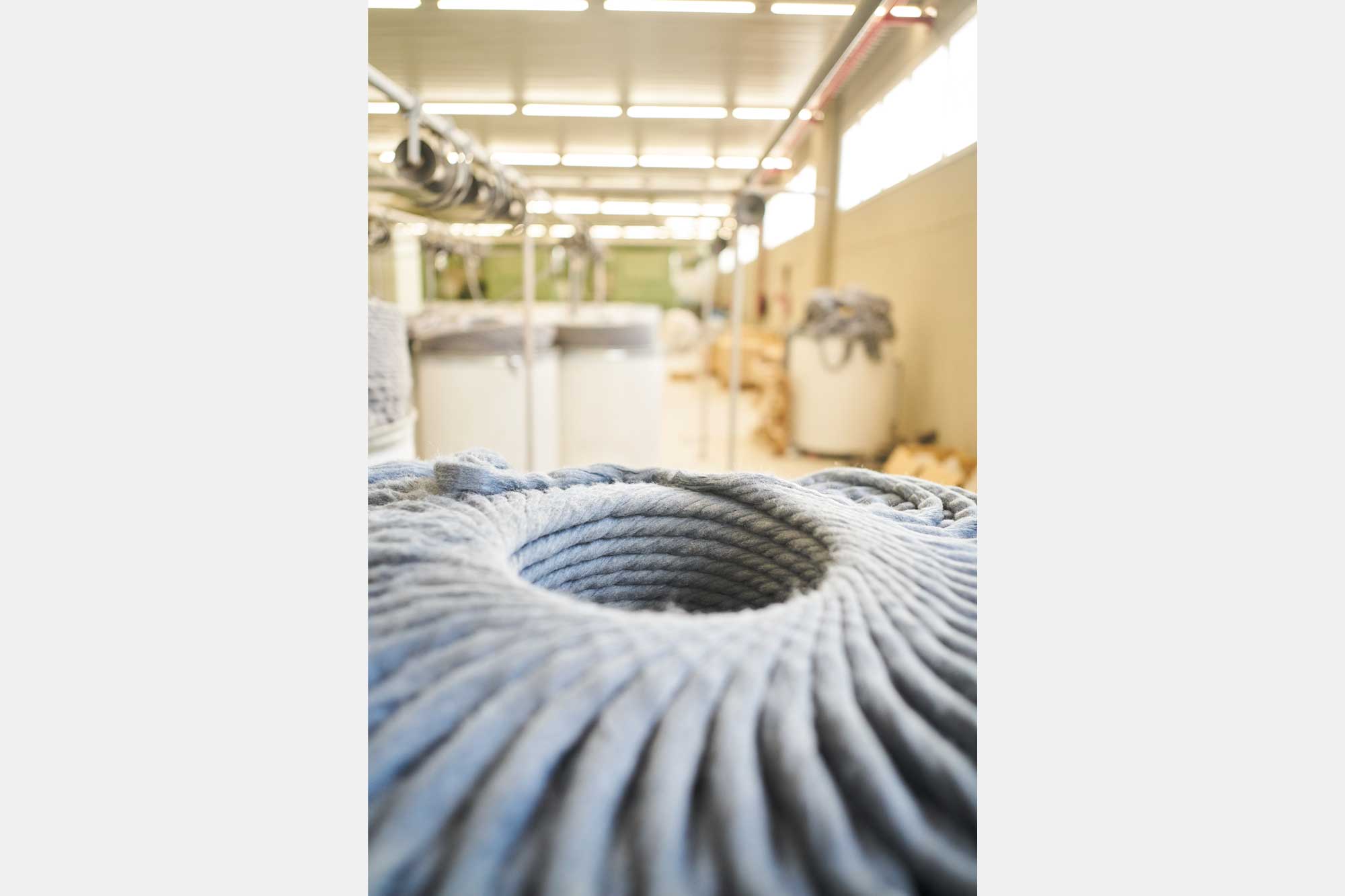
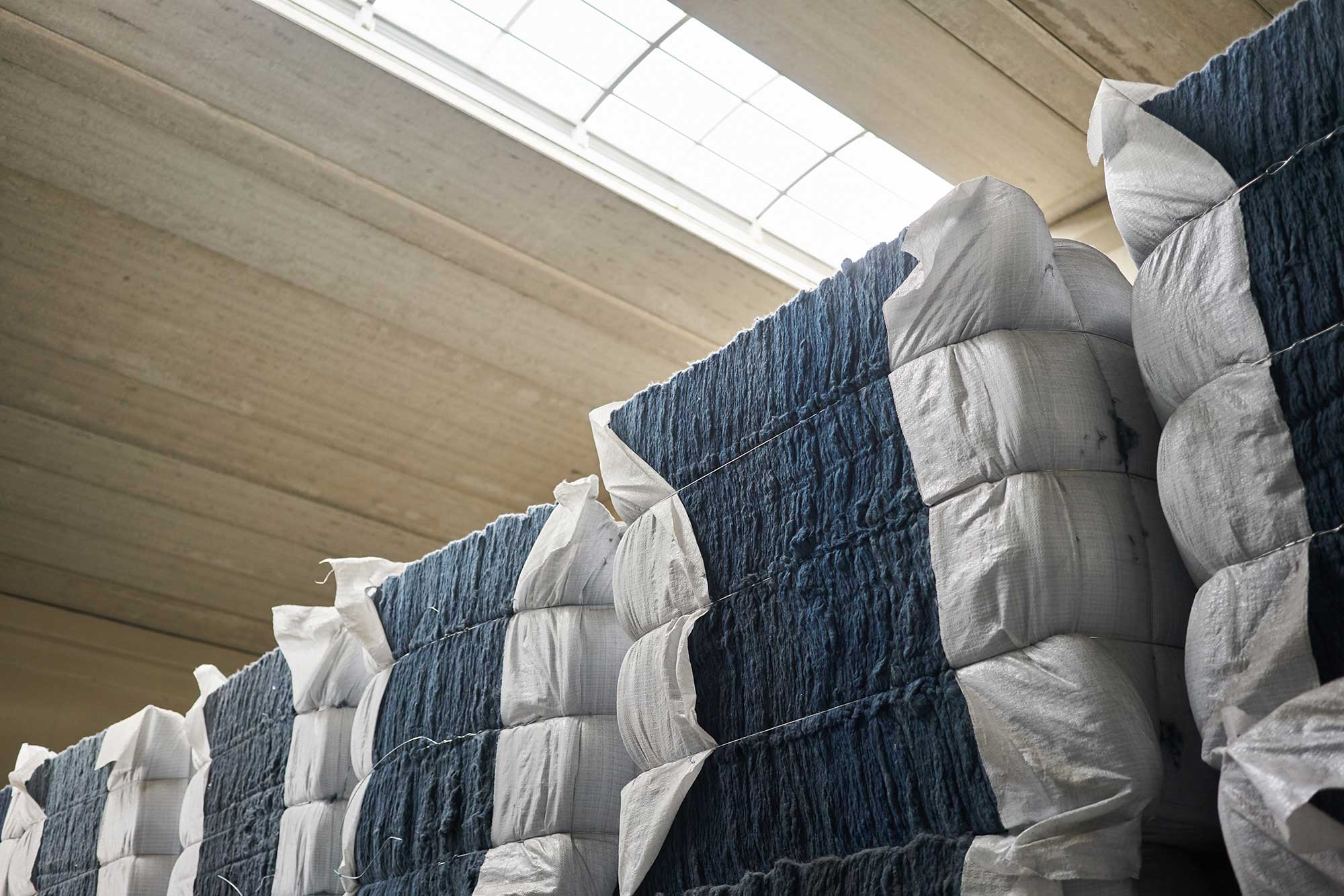
Tadweer, our state-of-the-art recycling plant gives us a green advantage in the reuse of pre-consumer cotton and in large quantities.
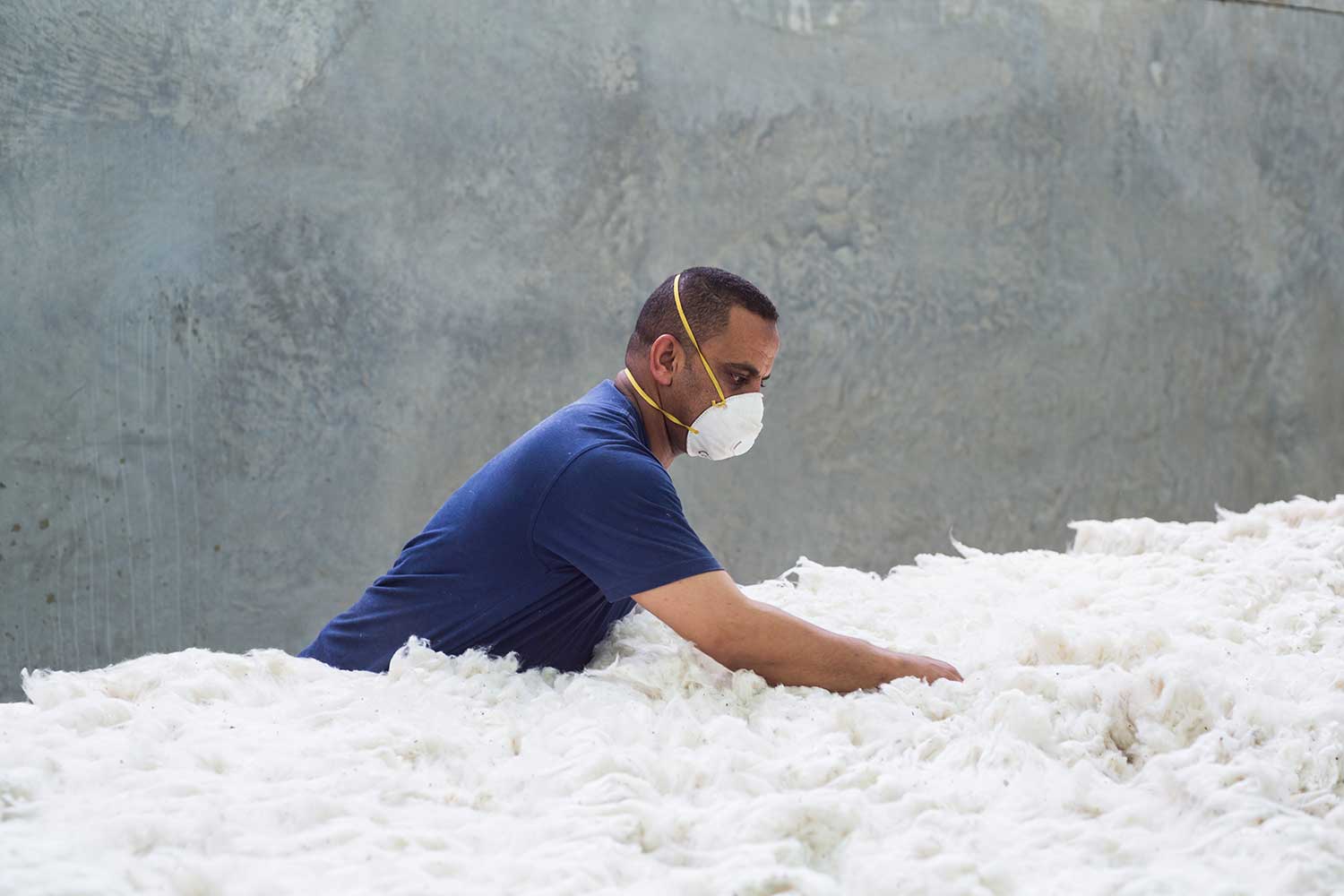
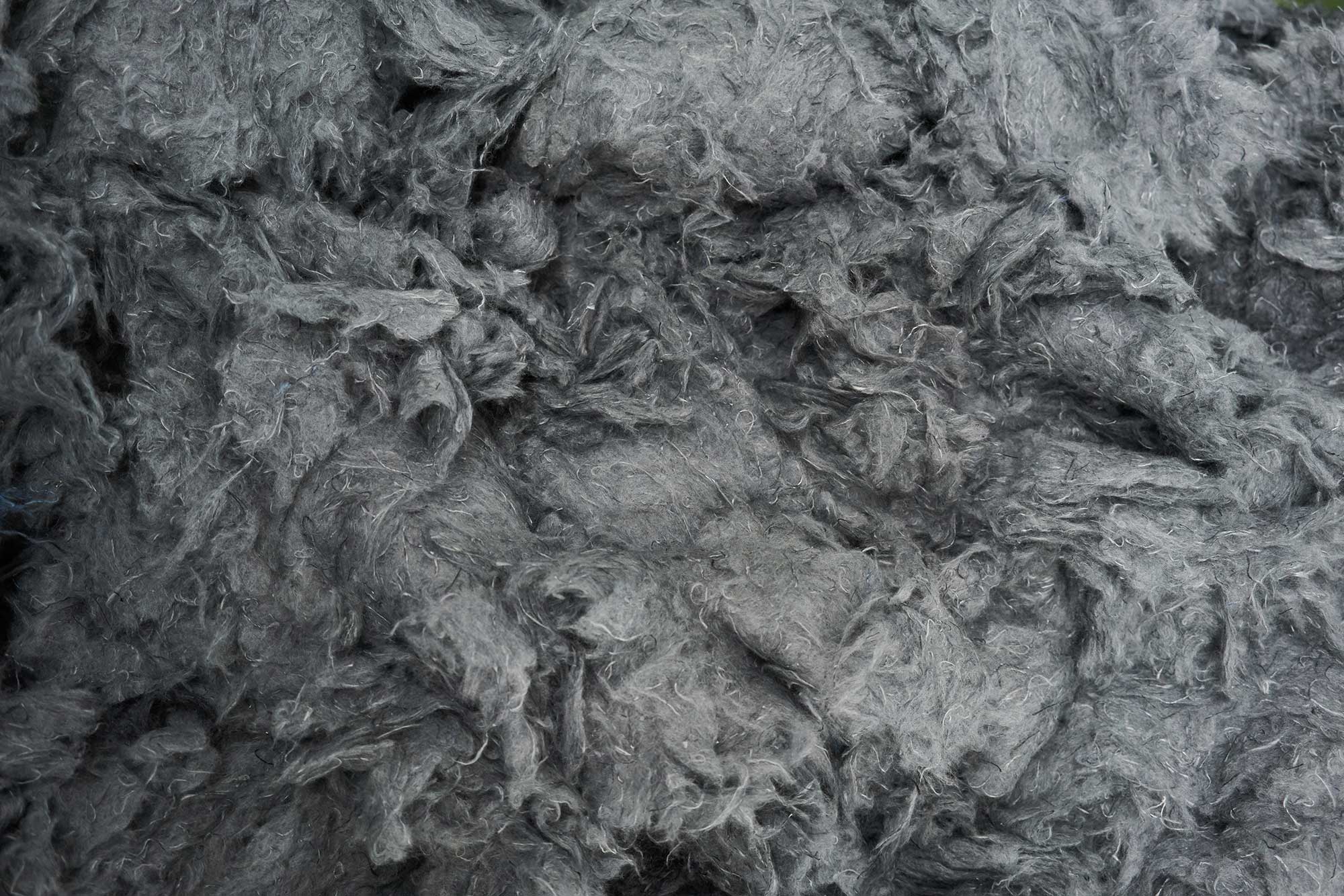
Tadweer, Sharabati Denim’s fabric recycling initiative in Egypt was established in 2018 to maximize the value of materials, conserve natural resources and reduce waste. At Tadweer, we recycle fabric and cotton waste generated through spinning, weaving, finishing and sampling processes, closing the loop on fabric waste.
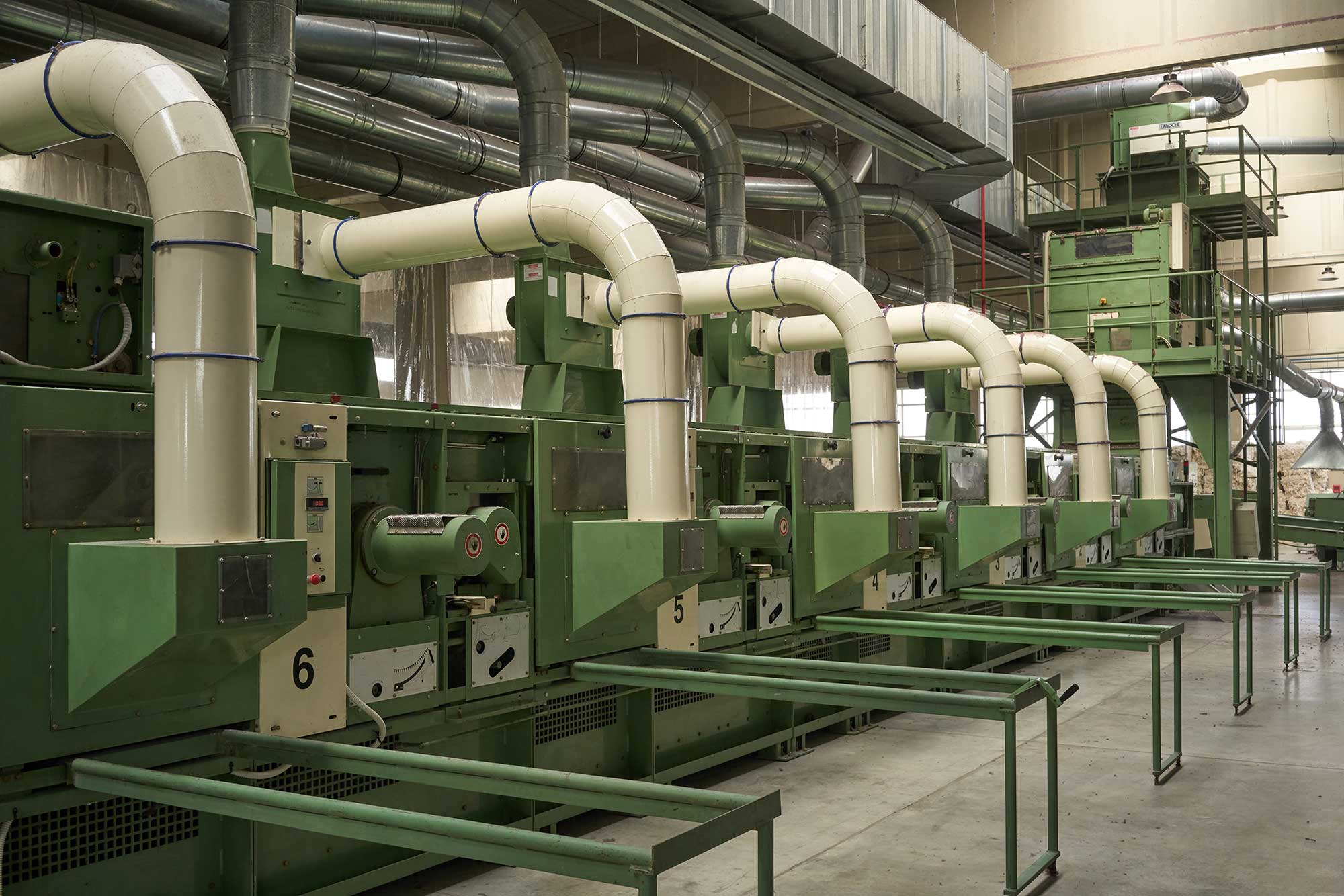
Sharabati Denim’s recycling plant has the capacity to recycle 8,000 tons of waste material annually to produce woven and non-woven fabrics.
Tadweer facility is vertically integrated into our production lines, providing us with an ongoing supply of recycled fibres, allowing us to create our own raw materials from waste. Sharabati Denim's recycled fabrics are within our Ecocentric sustainability-focused collection.
Both pre and post consumer waste are an integral part of our vision to transform the company into a more environmentally-conscious stakeholder.
Pre-consumer waste is already an established raw material in our production since the early 2000's. This includes soft and hard waste from our own production, as well as third-party waste from our partners.
Post-consumer recycled waste has become the widest reaching sustainable guideline to the fashion industry and is well integrated into our production.
Recycling is our future and sustainability is what we care about the most.
Our SAHARA indigo dyeing process is developed in order to save water, among other resources.
SAHARA is our innovative process, pioneered by us in cooperation with our partners, that helps save water and energy during the yarn dyeing process.
The SAHARA technology helps reduce:
- 50% of our water consumption in both indigo and over-dying processes
- 10-20% in chemical use
- 15-20% electricity in indigo dyeing
- 40% electricity in over-dyeing
The Sahara dyeing process is currently under production for all new and existing colors, including our well known Ocean color which covers the majority of our denim dyeing.
The 'Oasis' denim finishing investment by Sharabati Denim allows us to reduce the number of machines necessary in the finishing stage, thus saving up to;
- 36% water
- 35% steam
- 33% electricity
- 70% gas
A more eco-friendly finishing process like our 'Oasis process not only reduces our use of resources significantly, but also increases the performance of super stretch fabrics, and cutting down on the level of denim shrinkage.
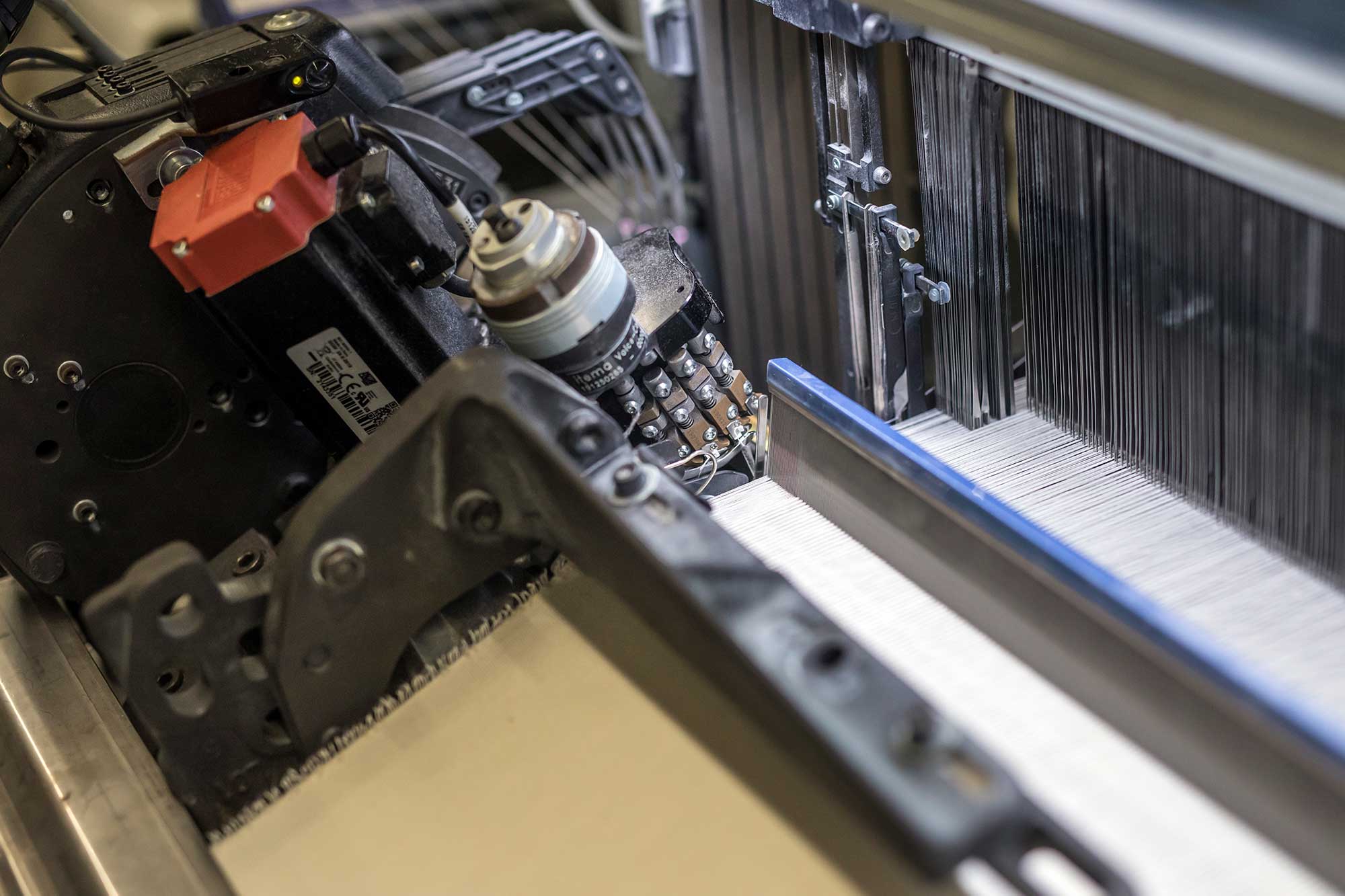
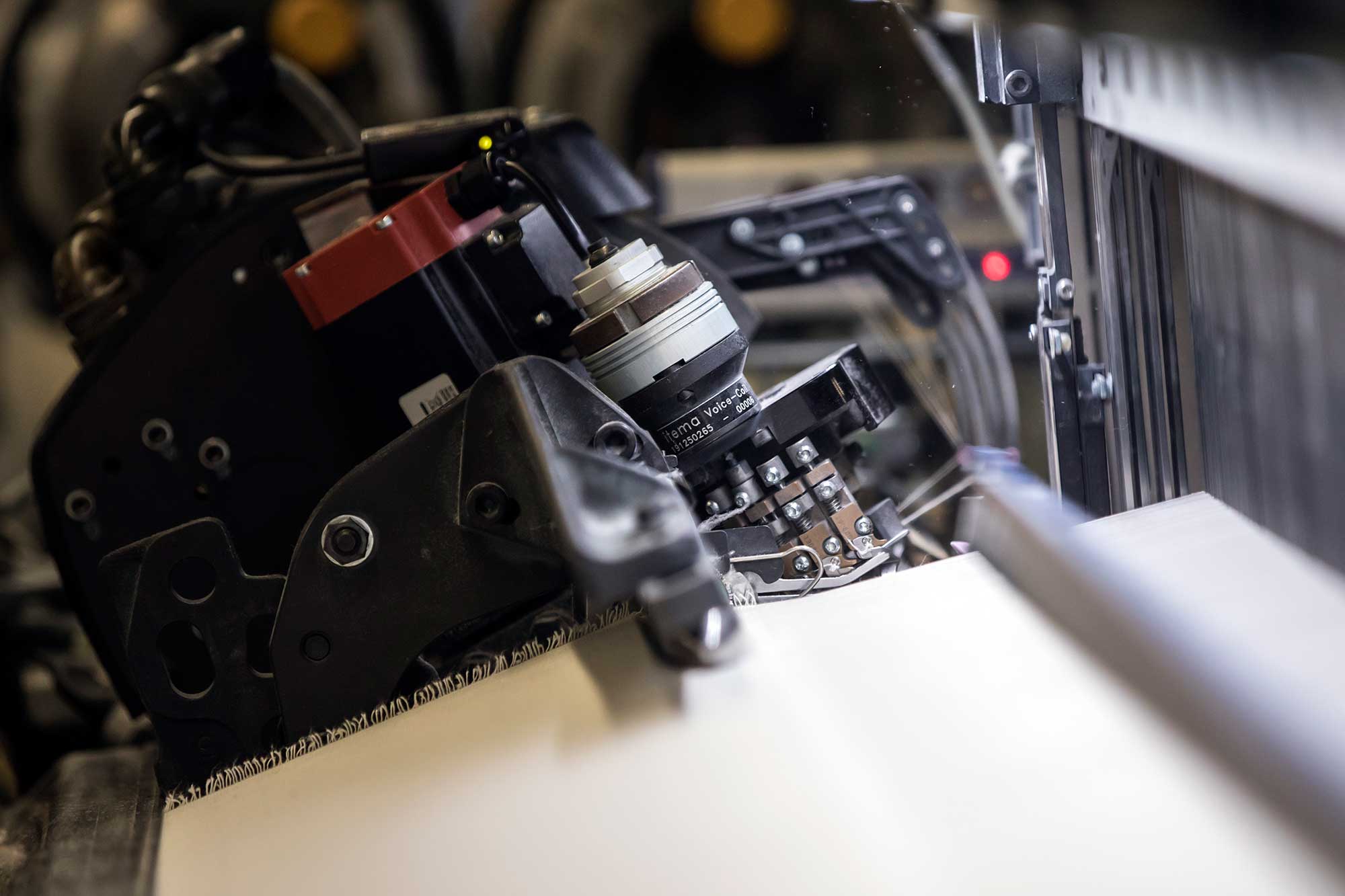
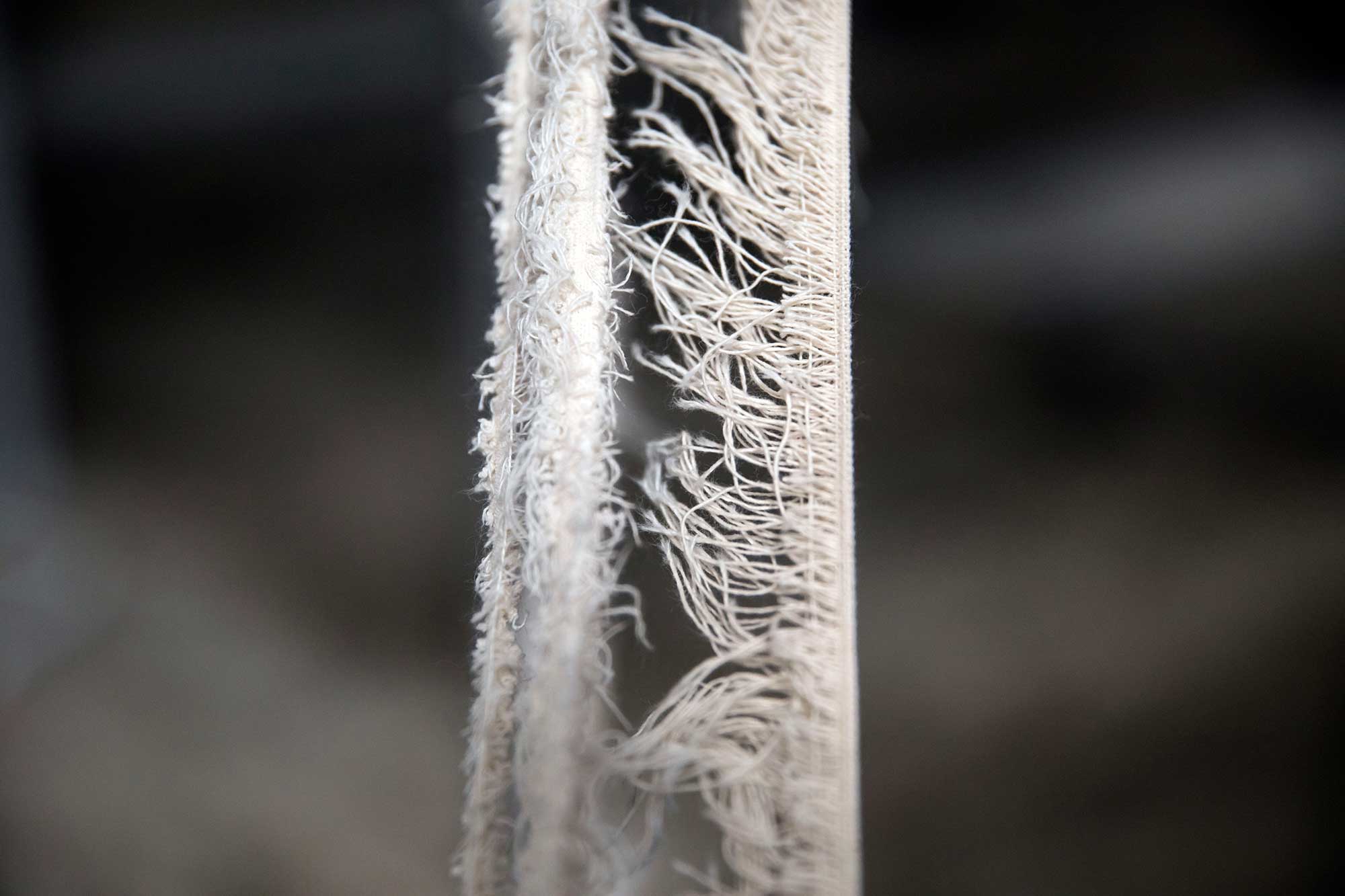
Our company is a pioneer in the region when it comes to working with global partners on implementing sustainable solutions. The iSaver technology by #itemalab installed on the R9500-2denim weaving loom is a groundbreaking effort by Itema to cut down on selvedge waste.
This technology allows us to save from 650 to 900kg in waste yarn per year, depending on the yarn count.
Sharabati Denim has a special unit to recover caustic soda which allows us to reuse the caustic soda in our production, instead of discharging it.
Our Caustic Recovery Plant (CRP) recovers up to 75% of the used caustic soda from the mercerizing waste- waters. We saved 100 tonnes (100%) of caustic soda and 1.100 tonnes of sulphuric acid (98%) in a year.
We reduce the waste load on our wastewater treatment plant. Additionally, we use the heat released through the exchangers to heat industrial water, saving 2.555.430 cubic meters of natural gas annually. We also recapture the water evaporated from the CRP and reuse it in the mercerizing machine.
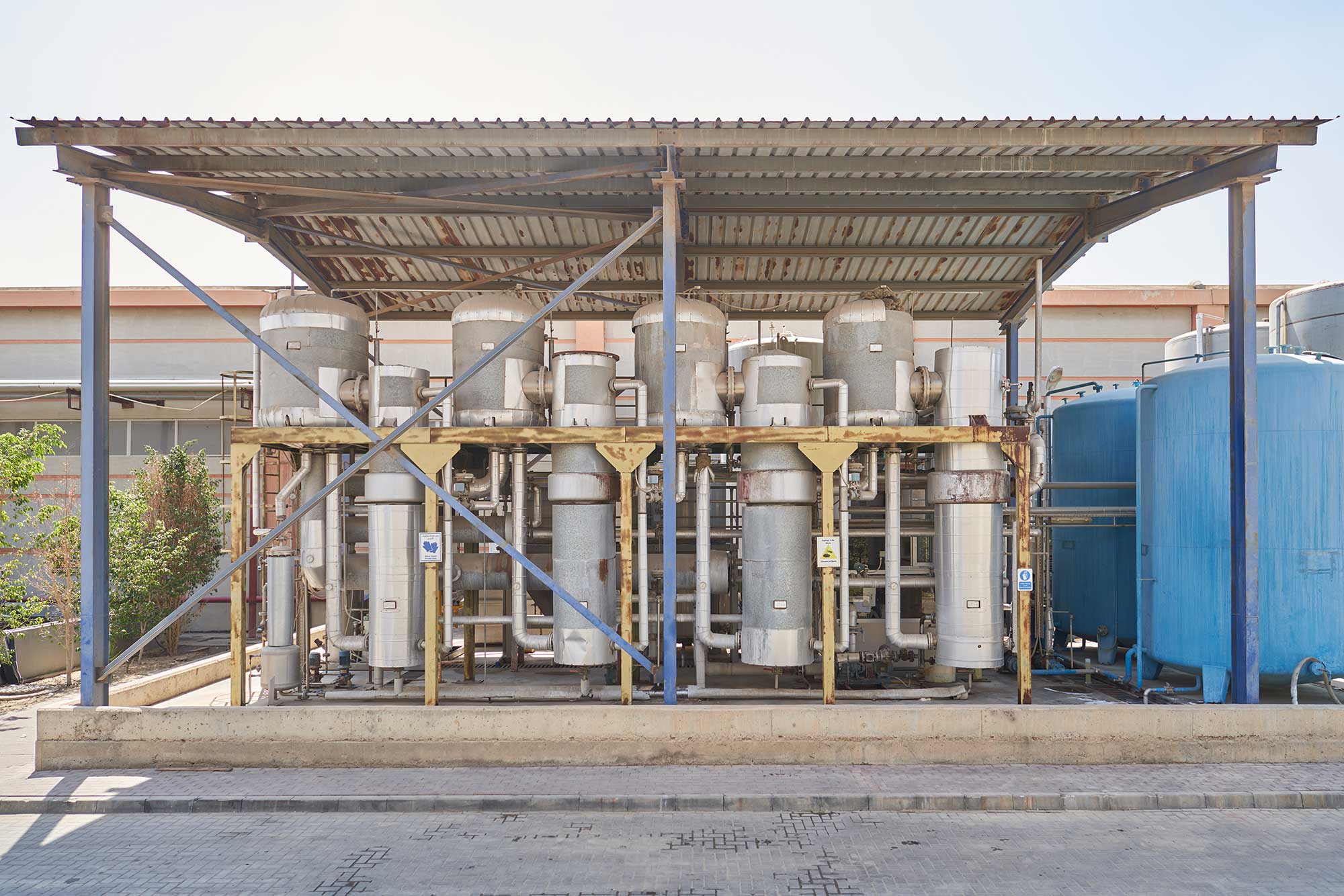
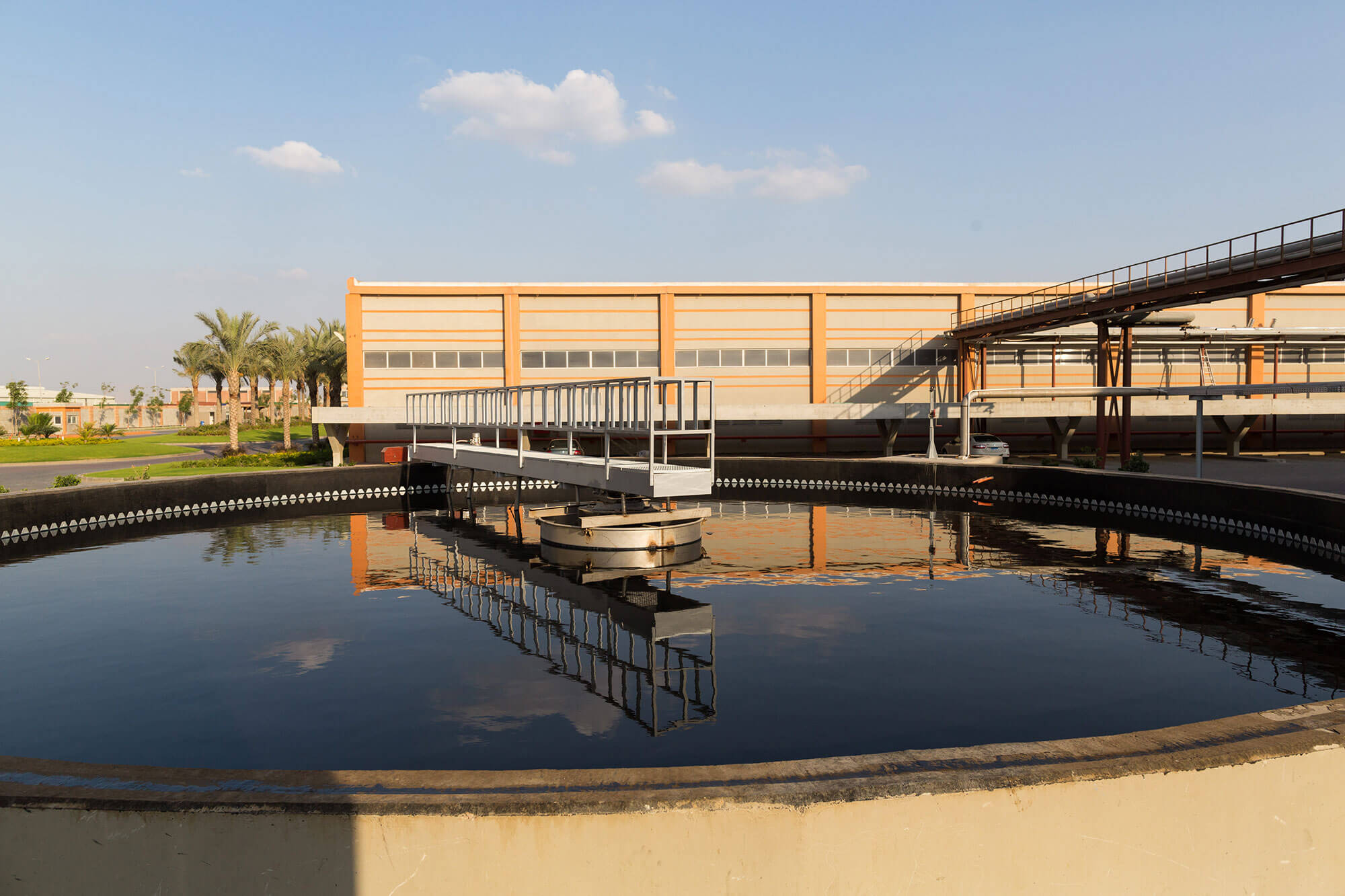
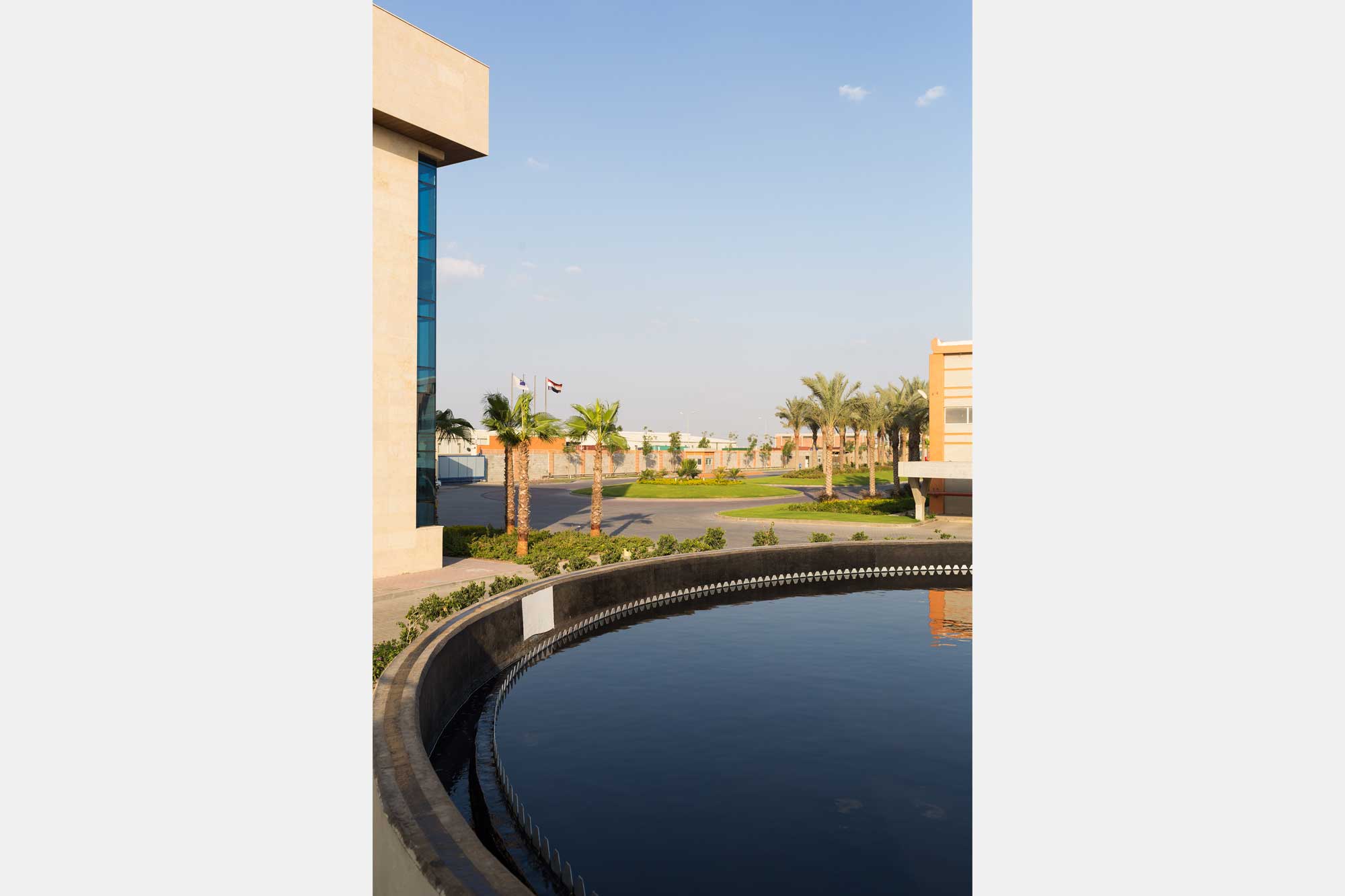
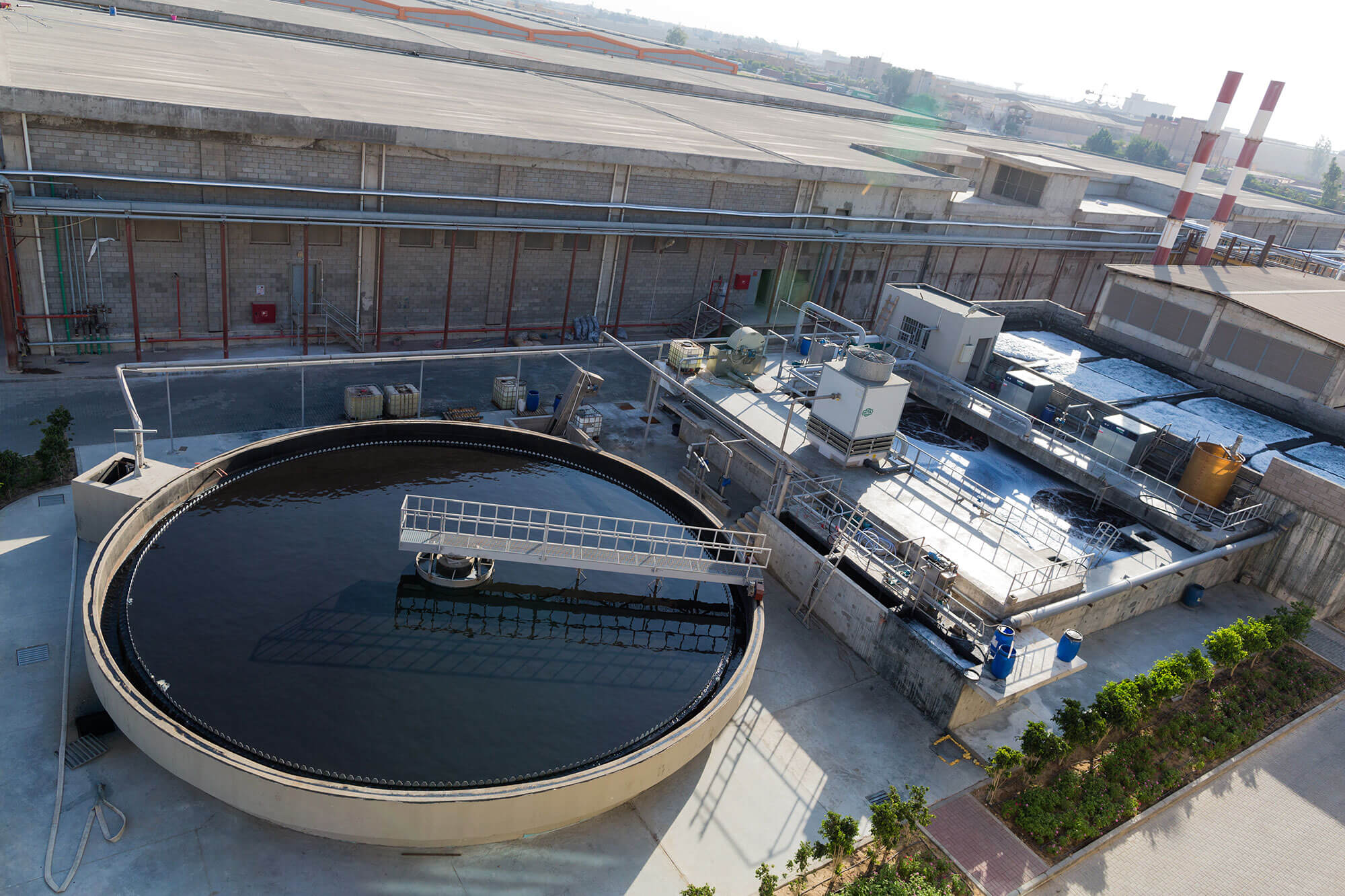
Our current use of water in production is followed by a water treatment plant that conducts an effluent purification, which discharges the water safely under government guidelines to a government agency.
A centralized and more efficient water treatment plant is being established. It will encompass our entire production water usage and will recycle from 40-50% of the volume to be reused in production.
Being amongst the largest mills in the region comes with great responsibility. We set the standard in employee wellbeing, training, and professional advancement. We value every contributing member of our community and return this gratitude by providing a healthy and safe work place. This includes providing training, accommodation for workers and a variety of on-site services. Additionally, we extend our knowledge to neighboring and various industries by offering free training in work-safety standards.
As a final word, we want to say clearly that all production processes at Sharabati Denim are certified by international authorities,
and we know that every certificate is an indication that we put human life and nature at the center of what we do.